Zabet – An Iranian Social Drama Set in the Night
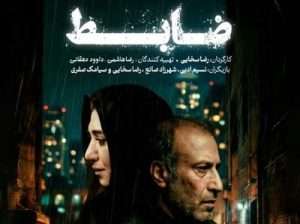
Zabet (فیلم ضابط)Zabet is an Iranian social drama directed by Reza Sakhai. Set largely inside moving cars during the night, the film explores fear, loneliness, trust, and the unexpected connections that can form between strangers.
Story
The film follows several characters whose lives briefly intersect during nighttime journeys through the city. Its central story begins when a distressed woman, attempting to escape a threatening situation on a quiet road, decides to stop an unfamiliar car and ask the driver for help.
Entering a stranger’s vehicle may provide temporary safety, but it also creates a new kind of uncertainty. During the journey, their conversation gradually reveals personal experiences, emotional wounds, and difficult decisions. Neither character fully understands the other, and the enclosed space of the car makes every silence and reaction more significant.
The film is partly inspired by a real encounter experienced by the director. This foundation gives the story a realistic atmosphere while the fictional elements allow it to examine broader social concerns. The female characters are central to the narrative, and their experiences demonstrate how ordinary places can feel very different after dark.
Rather than presenting its conflicts through action-heavy scenes, Zabet relies on conversation, performance, and the changing relationship between the people inside each vehicle. The city at night becomes an important part of the film’s identity, creating both intimacy and danger.
Cast and Production
The film stars Nasim Adabi, Shahrzad Sane, Reza Sakhai, and Siamak Safari. It was written by Toumaj Nouraee and Reza Sakhai, with Saeed Hashemi and Koosha Dehghan serving as producers.
The restricted locations place particular importance on acting and dialogue. Small changes in expression, tone, and body language help communicate information that the characters may be unwilling to explain directly.
Why Watch it?
Zabet may appeal to viewers interested in realistic Iranian social dramas and character-driven stories. Its nighttime setting and limited locations create a focused experience that keeps attention on the emotional condition of its characters.
The film examines how fear can influence judgment and how a short encounter with a stranger may reveal larger truths about vulnerability, compassion, and modern urban life.